
 Nutrition
Creatine: dosage, timing and effects
How much creatine to take, when, with or without a loading phase, and what it actually does: what the research says, with no miracle claims and no myths.
5 min read
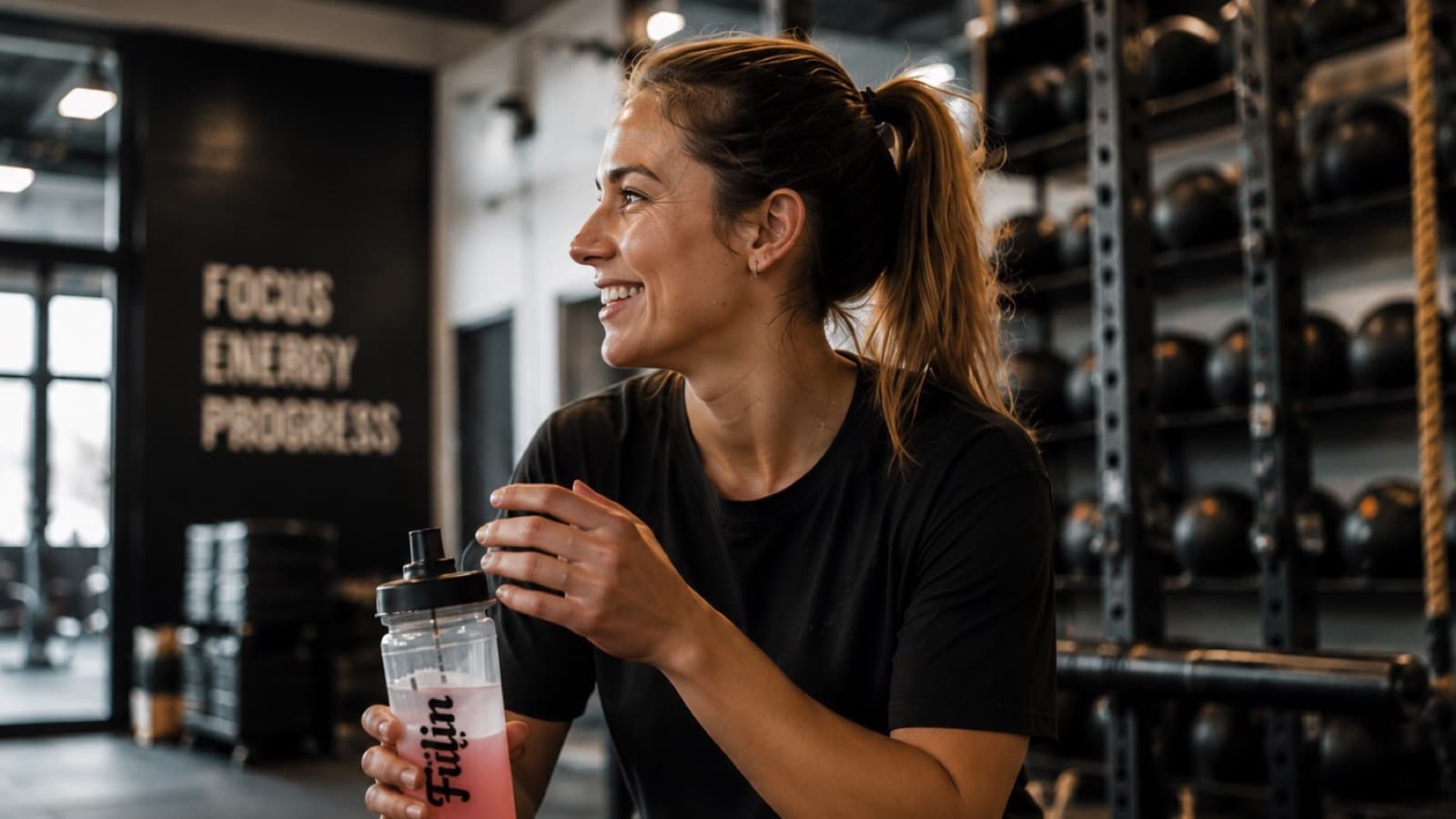
After a session, your body has three needs: to replace the water lost in sweat, to get what it needs to repair the muscles you worked and, depending on the effort, to refill its energy stores. So the ideal drink after 30 minutes of mobility work is not the same as after an hour-long WOD in summer. Here is how to choose, with figures drawn from scientific guidelines.
The most reliable guide is the scales. Weigh yourself before and after the session in the same clothes: the difference is almost entirely water lost, and one kilo lost is roughly one litre.
When recovery time is short, for example when another session or a match follows within 12 hours, the American College of Sports Medicine and the Academy of Nutrition and Dietetics recommend drinking 1.25 to 1.5 litres per kilo lost, as this 2017 meta-analysis notes. You drink more than you lost because part of the water leaves in urine. Drink gradually, in small amounts, rather than one big glass at once.
If you have the whole day to recover, drinking to thirst and eating normally is enough in the vast majority of cases.
Drinking lots of plain water after heavy sweating is not the most effective way to rehydrate: much of it quickly ends up in your urine. Work by Shirreffs and colleagues showed that the share of fluid your body retains rises with the drink's sodium content.
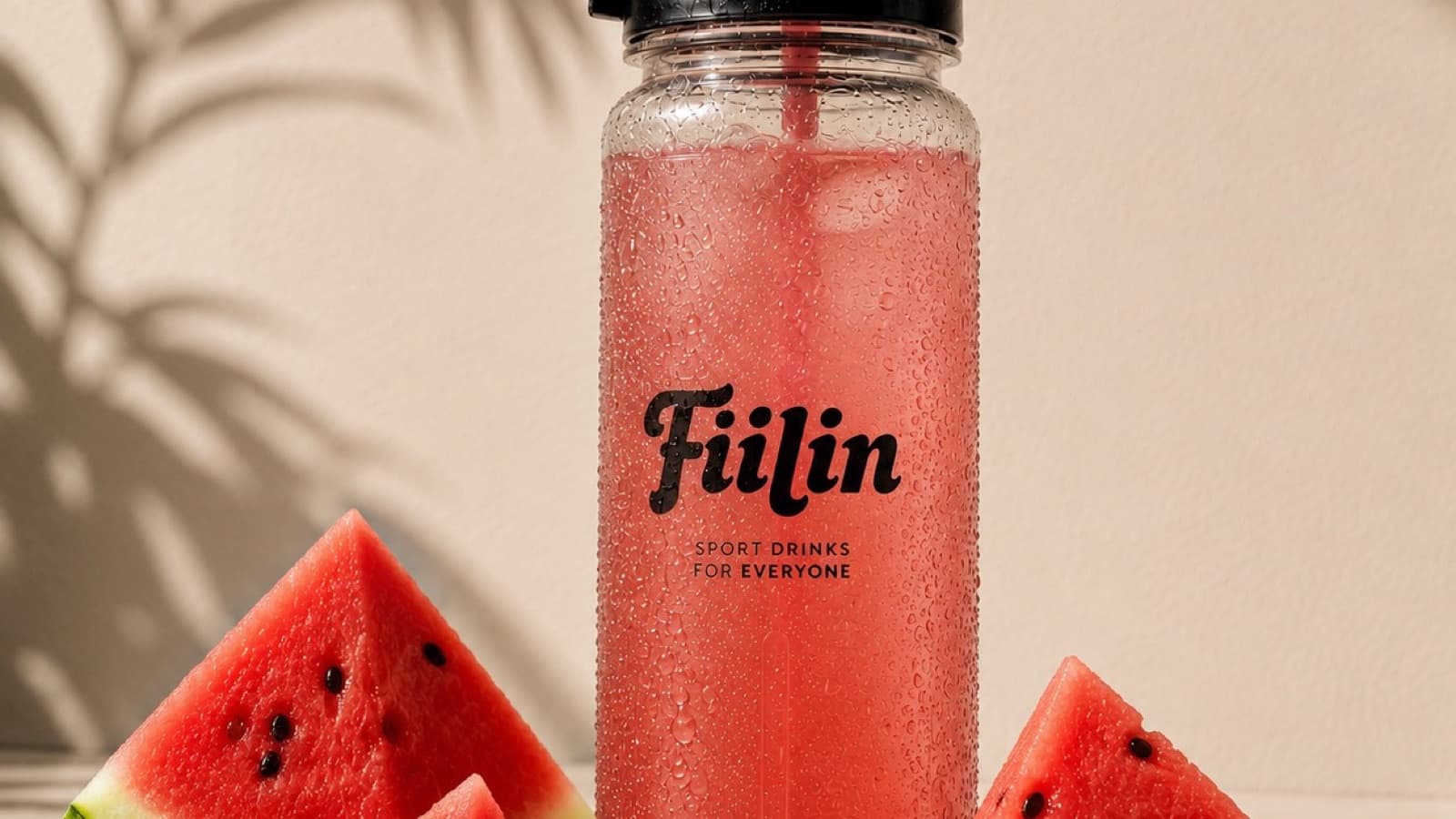
After a very sweaty session, an electrolyte drink or a salty meal therefore helps your body hold on to the water you drink. As an example, one serving of Fiilin electrolytes provides 204 mg of sodium, along with calcium and magnesium.
Training, especially lifting, creates micro-damage in muscle fibres. Protein supplies the amino acids needed to repair and strengthen them. The ISSN position stand on protein and exercise gives several benchmarks:
What about the famous “anabolic window”? It is wider than long believed. According to the ISSN, the muscle-building effect of training lasts at least 24 hours, even if it fades over time, and the best timing mostly depends on what suits you: before or after the session both work. So there is no need to panic if you do not drink your shake within 30 minutes.
Whey remains a very convenient option after training: it digests quickly and provides all the essential amino acids. A Fiilin whey delivers close to 20 g of milk protein per cup.
During long or intense efforts, muscles draw on their glycogen stores, which carbohydrates replenish. After an hour of weight training, a balanced meal in the following hours is usually enough to restore them. Carbohydrates become more important after a long effort, an endurance session, or when two workouts fall on the same day: a piece of fruit, a carbohydrate drink or a starchy meal will then help you go again.
BCAAs, or branched-chain amino acids, are three of the essential amino acids. They are already present in good amounts in a complete protein such as whey. If your protein intake is sufficient, their added value for recovery is limited, though they can help during a long session. We cover them in a dedicated article.
Fiilin dispensers prepare drinks in 30 seconds with filtered water, designed for every moment of your session: whey for recovery, electrolytes for rehydration, and six other recipe families. Order in the app and pick up your fresh drink on your way out of the changing room. Explore the full range or the Fiilin app.
These guidelines are for healthy adults. If you have a medical condition or specific needs, consult a doctor or a sports dietitian.
Last updated September 10, 2026.
Installation, maintenance and restocking included. We'll show you how it works in 20 minutes.
NutritionHow much creatine to take, when, with or without a loading phase, and what it actually does: what the research says, with no miracle claims and no myths.
 Nutrition
How much protein, when to take it, and how whey, casein and plant protein differ: what a protein drink actually does for performance.
 Nutrition
Leucine, isoleucine, valine: what BCAAs do, when to take them around a session, and what they bring to muscle recovery.