
 Nutrition
What to drink after a workout to recover well
Water, electrolyte drink, whey: what to drink after a session depending on the effort, how much and when, to recover properly and be ready for the next one.
5 min read
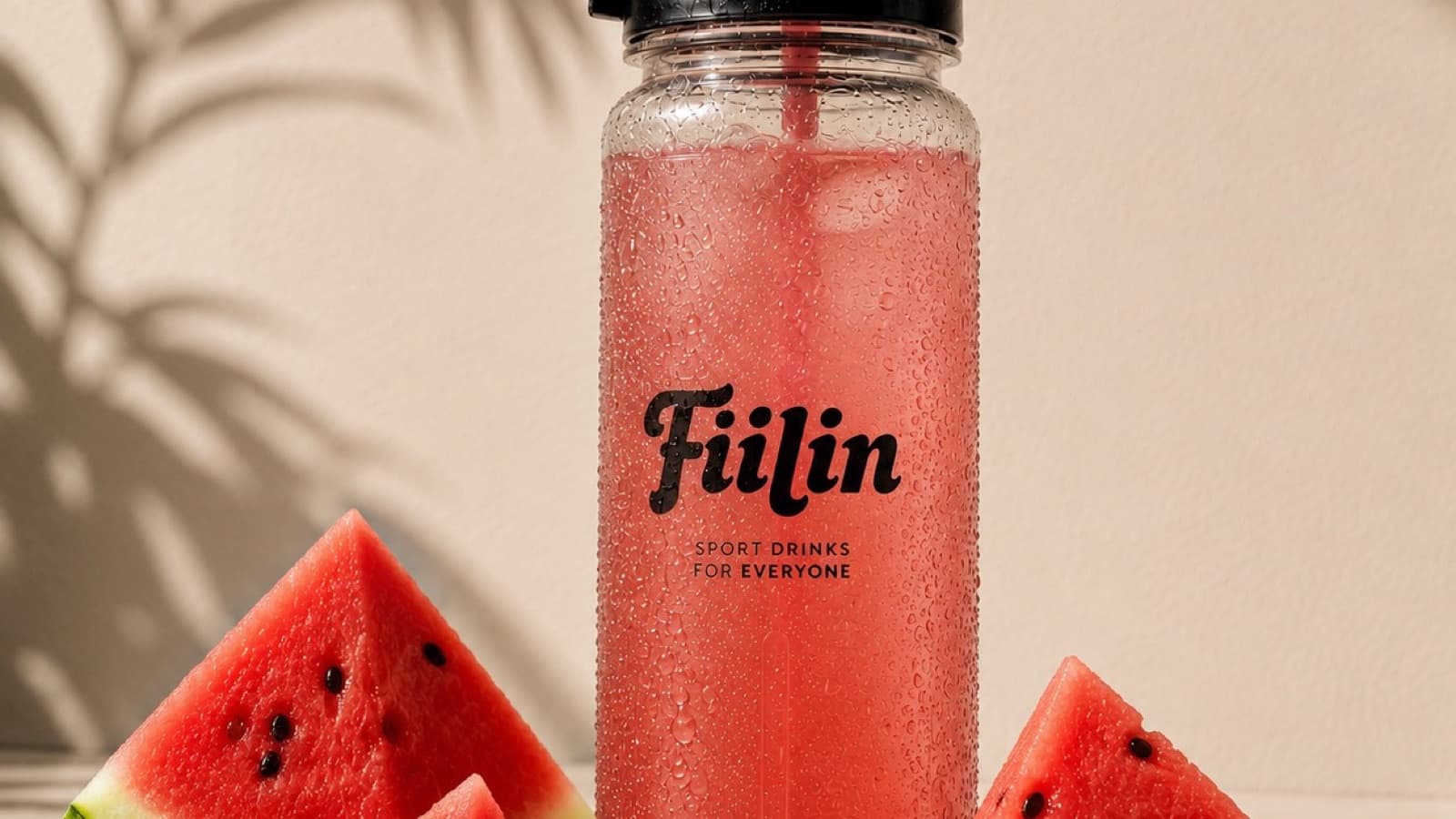
Creatine is one of the most researched supplements in sports nutrition. Yet there is nothing exotic about it: your body makes it from amino acids, and it is found in meat and fish. Supplementing simply tops up the stores already in your muscles. Here is what you need to know to use it properly: its real effects, the right dose, the right timing and the myths to leave behind.
In muscle, creatine is largely stored as phosphocreatine. This reserve is used to regenerate ATP very quickly, the molecule that powers muscle contraction during short, intense efforts: a set of squats, a sprint, a round of burpees. Fuller stores let you hold the intensity a little longer and recover better between efforts.
That is exactly what the European Union recognises. Among the health claims authorised by Regulation (EU) No 432/2012, creatine is linked to improved physical performance in successive bursts of short-term, high-intensity exercise, for an intake of 3 g per day, as noted by the French food safety agency ANSES in its opinion on supplements for athletes.
The direct effect is modest but real: a few more reps, intense sets strung together more easily. It is the build-up of these slightly more productive sessions that, over the weeks, turns into gains in strength and muscle mass.
Creatine is therefore most relevant for training made of short, repeated efforts: weightlifting, CrossFit, sprinting, team sports, combat sports. For pure endurance, such as the marathon, its benefit is less direct. It does not replace training, adequate protein intake or sleep.
In 2017 the International Society of Sports Nutrition (ISSN) published a landmark position stand on creatine. It describes two approaches.
Loading is therefore optional. It only gets you to saturation faster. For most people training regularly, a daily 3 to 5 g dose is enough and easier to stick with.
Creatine works by gradually filling your stores, not as an instant boost. The time of day matters far less than consistency. What counts is taking it every day, rest days included.
In practice, pick the moment that stops you forgetting it: after your session, at breakfast or with a meal. Taking it alongside your recovery drink is an easy habit to keep.
According to the ISSN, creatine monohydrate is the most studied form and the one with the best-demonstrated effectiveness. Other forms exist, often sold at a higher price with promises of better absorption or less water retention. They have not shown a clear advantage. Monohydrate remains the sensible choice.
Fiilin dispensers offer a watermelon-flavoured creatine monohydrate, prepared to order in 30 seconds with filtered water, right in your gym. Like all our recipes, it is formulated and made in France and complies with the AFNOR NF V 94-001 standard. See the full composition on our drinks page.
These guidelines are for healthy adults. If you have a medical condition, take medication, are pregnant, or are under 18, ask a doctor before starting any supplement.
Last updated September 10, 2026.
Installation, maintenance and restocking included. We'll show you how it works in 20 minutes.
NutritionWater, electrolyte drink, whey: what to drink after a session depending on the effort, how much and when, to recover properly and be ready for the next one.
 Nutrition
How much protein, when to take it, and how whey, casein and plant protein differ: what a protein drink actually does for performance.
 Nutrition
Leucine, isoleucine, valine: what BCAAs do, when to take them around a session, and what they bring to muscle recovery.